
If you own or manage a vacant property in the UK, winter can be a nightmare. Between plummeting temperatures, shorter days, and opportunistic intruders, an unoccupied building becomes a sitting target for damage and crime.
Here's the thing, most property owners don't realise just how quickly things can go wrong. A burst pipe in an empty building can flood for days before anyone notices. A broken window can invite squatters who are near-impossible to remove legally. And your insurance? It might not even cover you if you haven't taken "reasonable precautions."
The good news is that with a bit of preparation, you can protect your void property from the worst that a British winter can throw at it. Let's walk through the five essentials.
1. Insulate and Protect Your Pipes
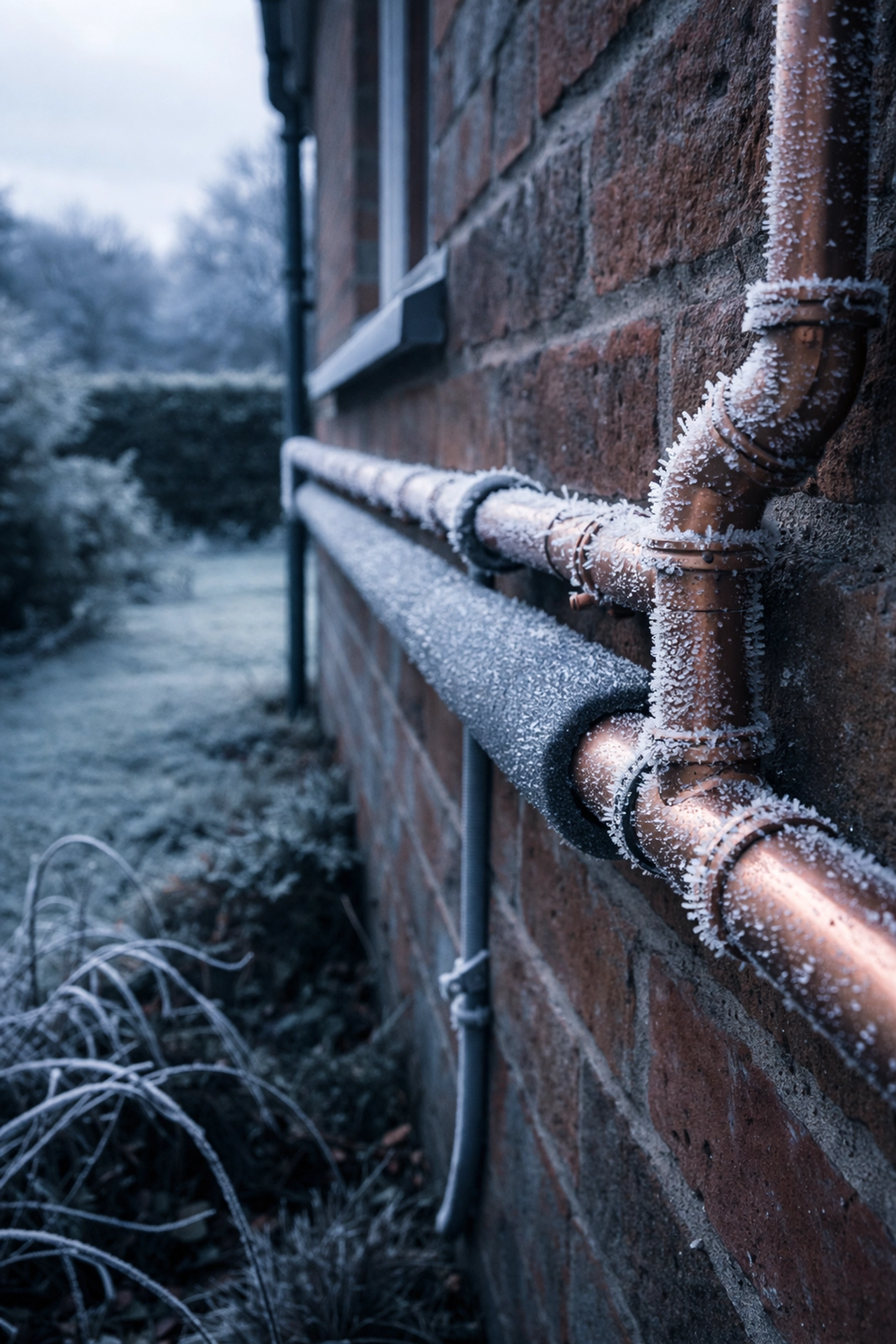
This one's non-negotiable. Burst pipes are the number one cause of costly damage in vacant properties during winter.
When water freezes inside a pipe, it expands. That expansion creates pressure, and eventually, the pipe gives way. The real kicker? The damage doesn't happen when the pipe freezes, it happens when it thaws. Suddenly, you've got water gushing into walls, ceilings, and floors with nobody there to turn off the stopcock.
Here's what you need to do:
- Insulate all exposed pipes, especially those running along exterior walls, in unheated areas like lofts, basements, and garages. Foam pipe lagging is cheap and easy to fit.
- Drain down the system if the property will be empty for an extended period. This means turning off the water at the mains, opening all taps to drain the pipes, and flushing toilets to empty cisterns.
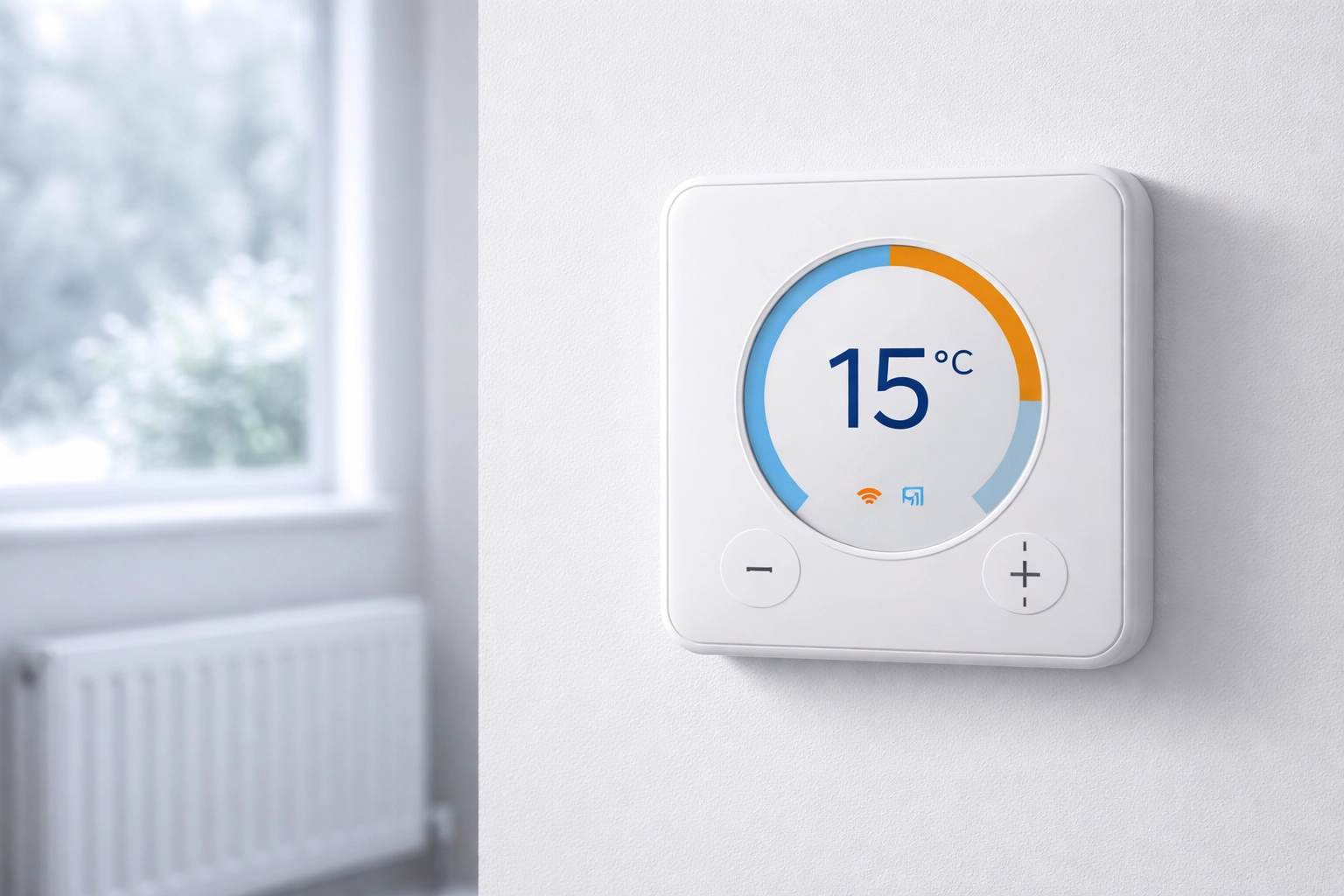
- If you can't drain down, keep the heating on a low setting (around 12-15°C) to prevent freezing. Yes, it costs money: but far less than fixing flood damage.
- Disconnect and drain exterior hoses and taps before the first frost hits.
A single burst pipe in a void property can cause tens of thousands of pounds in damage. Prevention is always cheaper than the cure.
2. Seal All Entry Points and Gaps
An empty property in winter is attractive to two unwanted guests: cold air and intruders.
Gaps around windows, doors, and foundations don't just let heat escape: they signal to opportunists that a building might be unoccupied and vulnerable. Draughty windows, cracked seals, and unsealed vents are red flags.
Run through this checklist:
- Inspect all windows and doors for cracks, gaps, or damaged weather stripping. Replace seals where needed.
- Check the foundation for cracks or openings, particularly around utility entry points like the dryer vent or gas meter.
- Seal gaps around outlets, vents, and baseboards on exterior walls. These small openings can let in surprising amounts of cold air.
- Ensure all locks are functioning properly and consider upgrading to anti-snap cylinders on external doors: a common weak point exploited by burglars in the UK.
A well-sealed property retains heat better (saving you money), looks maintained (deterring criminals), and is simply harder to break into.
3. Maintain Your Heating System
We've already touched on keeping the heating running at a low level, but let's dig a bit deeper. A functioning heating system is your first line of defence against frozen pipes and damp.
Before winter sets in:
- Book a professional boiler service. A broken boiler in January is the last thing you need: and engineers are notoriously hard to book during cold snaps.
- Check and replace air filters if you have a forced-air system.
- Bleed radiators to remove trapped air and ensure they're heating efficiently.
- Test your thermostat to make sure it's reading temperatures accurately.
If the property will be vacant for weeks or months, consider installing a smart thermostat that you can monitor and control remotely. Some models will even alert you if the temperature drops dangerously low.
Pro tip: Keep interior doors open throughout the property. This allows warm air to circulate and reach all areas, including those vulnerable pipes tucked away in corners.
4. Clean Gutters and Manage Water Drainage
Blocked gutters might not sound like a winter emergency, but they can cause serious problems fast.
When gutters fill with leaves and debris, water backs up. In freezing temperatures, that water turns to ice: creating ice dams that can damage your roof, fascias, and soffits. Worse, the water can find its way inside, leading to leaks, damp, and even structural damage.
Before winter arrives:
- Clear all leaves, twigs, and debris from gutters and downspouts. If you can't do this yourself, it's a quick job for a local handyman.
- Check that downspouts are directing water away from the foundation: at least 1.5 metres away is ideal.
- Inspect your roof for damaged, loose, or missing tiles. Pay close attention to flashing around chimneys, vents, and skylights.
- Ensure the ground around your property slopes away from the building to prevent water pooling against the walls.
An unoccupied property won't have anyone inside to spot a leak before it becomes a disaster. Regular inspections are essential: which brings us to our final point.
5. Secure the Exterior and Remove Access Points
Empty properties attract trouble. Overgrown gardens, unsecured bins, and visible ladders all send the message that nobody's home.
Here's how to make your void property look occupied and secure:
- Trim back trees and hedges, especially any branches overhanging the roof or near windows. These provide cover for intruders and can cause damage in storms.
- Remove or secure outdoor furniture, tools, and equipment. Anything left outside can be stolen or used to break in.
- Install timer switches on interior lights to simulate occupancy. Smart plugs make this easy to manage remotely.
- Consider temporary security measures like window bars, security grilles, or steel screens for ground-floor openings.
- Arrange regular property inspections. Having someone physically check the property every week or two is one of the most effective deterrents against squatters and vandals.
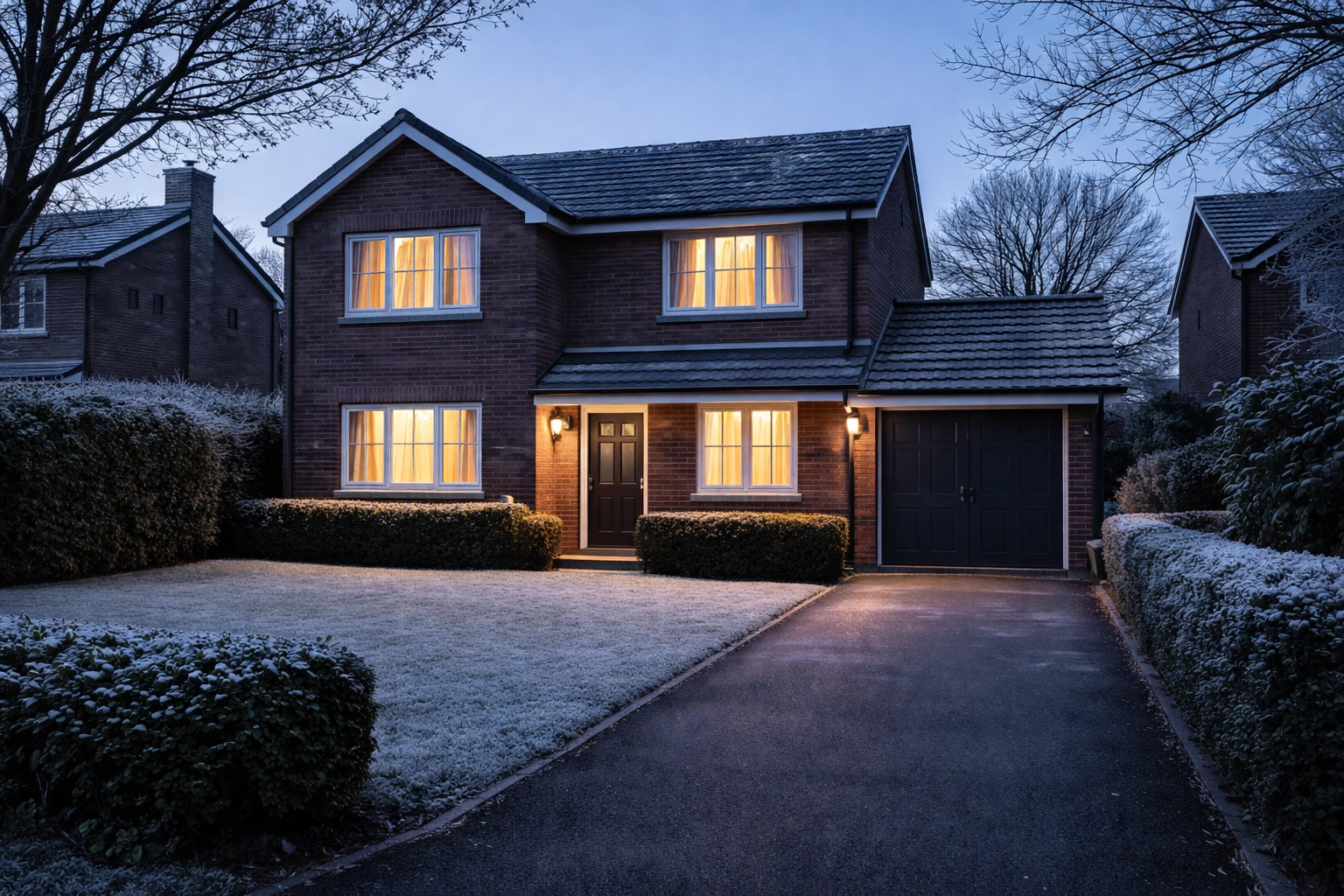
The reality is that a void property needs ongoing attention. Criminals and the elements don't take holidays: and neither should your property protection.
How Srvwire Property Protection Can Help
Look, we get it. Managing a vacant property from a distance is stressful, especially during the colder months when the risks are highest.
That's where we come in.
At Srvwire Property Protection, we offer nationwide property inspection and guarding services designed specifically for void and vacant properties. Whether you need regular site visits to check for damage, manned guarding to deter intruders, or a comprehensive security solution that covers all the bases, we've got you covered.
Our services include:
- Scheduled property inspections with detailed reports and photographic evidence
- 24/7 manned guarding from fully vetted, SIA-licensed officers
- Remote monitoring solutions to keep eyes on your property around the clock
- Rapid response if an issue is detected
We work with property owners, landlords, housing associations, and developers across the UK. Every property is different, so we tailor our approach to fit your specific needs and budget.
Winter doesn't have to mean sleepless nights worrying about your empty building. Let us take that weight off your shoulders.
Ready to Protect Your Property This Winter?
Don't wait until the damage is done. Get in touch with our team today to discuss how we can help you winter-proof your void property and keep it secure all season long.
📞 Contact us here or book an appointment to speak with one of our property protection specialists.
